Understanding Concrete Kerb Ramps
Concrete kerb ramps are specially designed structures aimed at providing a smooth transition between pavements and roadways. They help facilitate accessibility for individuals with mobility challenges, including those who use wheelchairs, walkers, or mobility scooters. The primary purpose of these ramps is to eliminate barriers that can impede the movement of vulnerable populations, thus promoting inclusivity in public and private spaces.


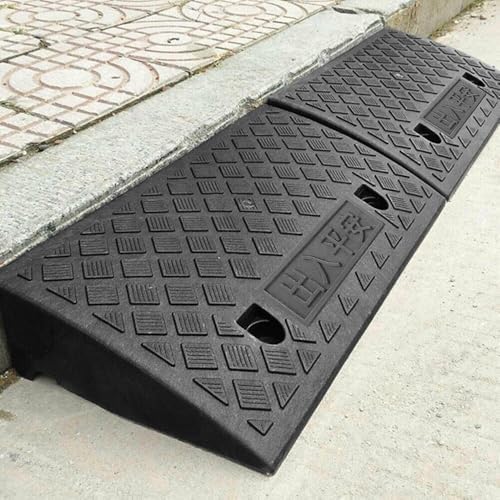


These ramps are typically made from durable materials such as concrete, which ensures longevity and stability. Concrete kerb ramps are commonly found in various applications, ranging from residential driveways to commercial entrances and public sidewalks. Their placement is strategic, often located at intersections, building entrances, and other critical access points, in order to meet accessibility regulations and enhance safety.
In selecting the appropriate concrete kerb ramp, it is crucial to consider factors such as width, height, and slope. The right specifications will depend on the specific needs of users as well as the surrounding environment. For instance, a steeper slope might be suitable for certain locations, while areas frequented by wheelchair users may require gentler grades to ensure ease of use. Furthermore, choosing a ramp with textured surfaces can provide additional grip, making it safer for all users, particularly in wet conditions.
In essence, concrete kerb ramps are more than mere infrastructural elements; they serve as vital lifelines facilitating movement and accessibility. Understanding their purpose and benefits is integral, especially for property owners or developers who wish to ensure compliance with safety and accessibility standards while improving the overall functionality of their space.
Types of Concrete Kerb Ramps Available
Concrete kerb ramps are essential for providing accessibility to various locations in the UK, facilitating smooth transitions from pavement to road or other surfaces. These ramps come in a variety of designs, heights, and weight capacities, catering to different user needs and environments.
One common type of concrete kerb ramp is the standard ramp, which is typically designed for general use. These ramps often feature a gradual incline, making it easier for wheelchair users, pedestrians, and cyclists to navigate. In terms of height, standard ramps can range from 75 mm to 150 mm, accommodating varying kerb heights.
Another variation is the heavy-duty concrete kerb ramp, which is built to withstand increased weight loads. This type is particularly beneficial in commercial settings where vehicular access is required, enabling the movement of goods and heavy equipment. Heavy-duty ramps often have reinforced structures and can support varying weights, making them suitable for vehicles like trucks and vans.
Textured surfaces are a critical feature of many concrete kerb ramps, providing improved grip and safety for users, especially in wet conditions. These textures help prevent slips and falls, aligning with safety standards set forth by regulatory bodies. Furthermore, ramps may be available in different colors and finishes, allowing them to blend seamlessly into their surroundings while enhancing visibility.
When selecting a concrete kerb ramp, it is vital to consider not only the design and weight capacity but also the specific features that contribute to user safety and convenience. Overall, understanding the various types of concrete kerb ramps available can significantly influence the efficiency and effectiveness of accessibility solutions in both public and private spaces.
Where to Buy Concrete Kerb Ramps in the UK
Concrete kerb ramps are essential for providing smooth transitions for wheelchairs, mobility scooters, and even bicycles. In the UK, numerous retailers offer these ramps, catering to various customer needs and preferences. Knowing where to buy concrete kerb ramps can significantly influence the functionality and accessibility of outdoor spaces.
One of the most reliable sources for purchasing concrete kerb ramps is popular construction supply stores such as Travis Perkins and Wickes. These stores not only stock a variety of building materials but also have a selection of concrete kerb ramps designed for ease of use and durability. While visiting these physical stores, customers can ask for assistance in selecting the appropriate ramp for their specific requirements.
Additionally, specialized mobility retailers such as Mobility Solutions and Access Solutions, offer an array of kerb ramps tailored to the needs of individuals with mobility challenges. Purchasing from these stores ensures that the ramps are designed with safety and accessibility in mind.
For those who prefer the convenience of online shopping, websites like Amazon and eBay provide extensive selections of concrete kerb ramps from various manufacturers. These platforms allow for easy price comparison and customer reviews, helping buyers make informed decisions. It’s advisable to assess ratings and feedback to avoid low-quality products.
When comparing prices, consider factors such as shipping costs and potential discounts. Evaluating the quality of different ramps involves checking specifications, customer reviews, and warranty information. This thorough approach will enable purchasers to ensure a smart investment in concrete kerb ramps while promoting a safe and accessible environment for all users.
Considerations When Purchasing Concrete Kerb Ramps
When purchasing concrete kerb ramps, it is critical to consider various factors that will ensure the ramp meets your specific needs and complies with necessary regulations. One of the foremost aspects to take into account is the ramp’s compatibility with the intended location. Concrete kerb ramps vary in size, slope, and weight capacity, and these specifications must align with the environment in which they will be installed. This includes considering the type of vehicles that will be using the ramp, such as wheelchairs, bicycles, or vehicles, to ensure safe and efficient usability.
Additionally, local building regulations play an essential role in the selection process. Different regions within the UK may have specific guidelines governing the construction and installation of kerb ramps, especially in public areas. It is advisable to consult your local council or building authority to ensure that the kerb ramp complies with these regulations. This will not only facilitate a smoother purchasing experience but also help avoid potential legal issues related to non-compliance.
Another important consideration is the installation requirements of the concrete kerb ramp. Some ramps can be placed directly onto existing surfaces, while others may require more complex installation procedures that could include excavation or adjustment of the surrounding area. Understanding these requirements beforehand will aid in selecting the right product for your needs and budget.
Lastly, maintenance is a crucial factor to consider. Concrete kerb ramps are durable, but they still require proper upkeep to ensure longevity and safety. Regular inspections and cleaning can prevent cracks and damages that could compromise the ramp’s integrity. By addressing these considerations, you will be well-equipped to make an informed purchase that meets both your practical needs and compliance standards.